
New Orleans Food, Mardi Gras & the Flavours That Define a City

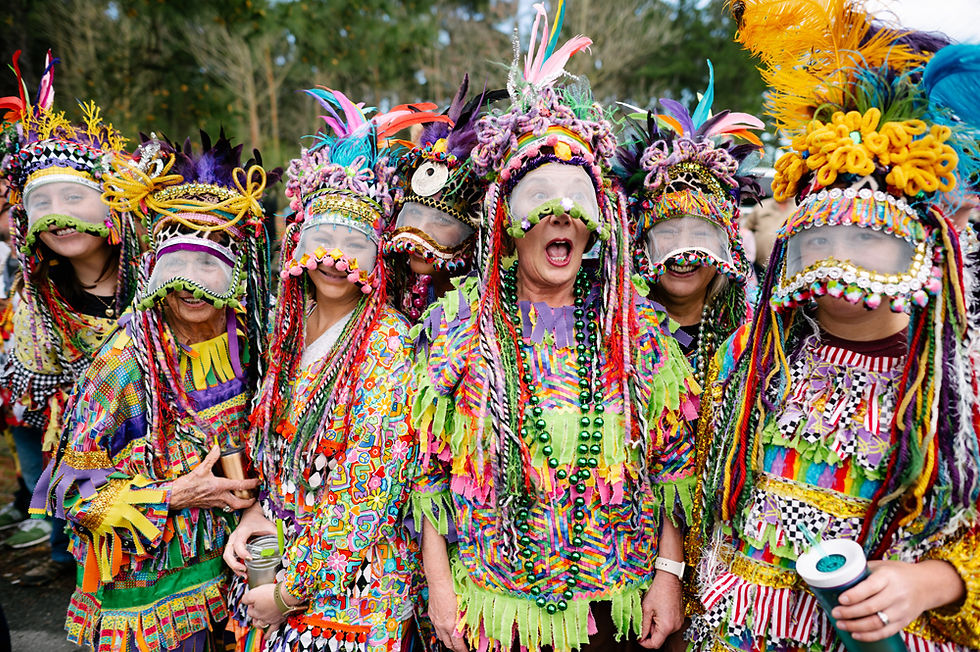
When people search for New Orleans food, they’re rarely just looking for recipes. They’re looking for history, culture, celebration, and flavour that tells a story. Nowhere is that story more alive than during Mardi Gras in New Orleans — a season where food, music, and heritage collide in the most joyful way possible.
At Josephine’s New Orleans, our mission has always been simple: bring a little bit of New Orleans to your table. Mardi Gras perfectly represents everything we stand for — bold flavours, shared meals, and recipes rooted in generations of Creole and Cajun tradition.
Table of Contents
New Orleans Food and Mardi Gras: A Celebration of Culture
The Origins of Mardi Gras and New Orleans Food Traditions
Why New Orleans Food Is Central to Mardi Gras Celebrations
Iconic New Orleans Food Dishes You’ll Find During Mardi Gras
From the Streets of New Orleans Food to Your Home Kitchen
New Orleans Food, Family Legacy, and Josephine’s Story
Bringing New Orleans Food to Your Table This Mardi Gras
Key Takeaway: Celebrate Mardi Gras with New Orleans Food
New Orleans Food and Mardi Gras: A Celebration of Culture
Mardi Gras and New Orleans food are inseparable. Long before the beads are thrown and the parades roll, kitchens across the city come alive. Pots simmer for hours, families gather around stoves, and recipes passed down through generations are brought out for one of the most important seasons of the year.
Food during Mardi Gras is about abundance, hospitality, and joy. It reflects the very soul of New Orleans — a city shaped by French, Spanish, Italian, African, and Caribbean influences. Every dish tells a story of migration, survival, creativity, and celebration.
Growing up around these traditions, I learned that New Orleans food isn’t just fuel for a party. It’s how we connect with each other. It’s how we remember our ancestors. And it’s how we keep our culture alive.
The Origins of Mardi Gras and New Orleans Food Traditions
Mardi Gras dates back to medieval Europe, evolving from ancient pagan festivals like Saturnalia and Lupercalia into a Christian pre-Lenten celebration. When Christianity spread, these celebrations were adapted rather than erased, eventually becoming the six-week lead-up to Lent.
When French settlers brought Mardi Gras to Louisiana in the late 1600s, it found a natural home in New Orleans. The city’s access to fresh seafood, spices, rice, and local produce transformed European traditions into something entirely new. This is where New Orleans food truly began to take shape.
Food became central to Mardi Gras because it represented indulgence before sacrifice. Rich sauces, slow-cooked stews, and communal meals reflected both religious tradition and the practical need to use up ingredients before Lent began.
Why New Orleans Food Is Central to Mardi Gras Celebrations
Mardi Gras literally translates to Fat Tuesday, and indulgence is the point. New Orleans food embraces this philosophy fully, with dishes designed to comfort, satisfy, and bring people together for long days of celebration.
During Mardi Gras, food is intentionally:
Slow-cooked and layered with flavour, allowing spices and ingredients to develop depth over time
Designed for sharing, with large pots of gumbo or jambalaya feeding families, friends, and neighbours
Rooted in tradition, using techniques passed down through generations
Bold and unapologetic, reflecting the city’s vibrant personality
In New Orleans, food isn’t rushed — especially during Mardi Gras. Meals stretch across hours, just like the celebrations themselves.

Iconic New Orleans Food Dishes You’ll Find During Mardi Gras
Mardi Gras wouldn’t be Mardi Gras without the dishes that define New Orleans food. These aren’t just meals — they’re cultural landmarks.
Jambalaya: A Creole Rice Tradition
Inspired by Spanish paella, jambalaya was born when saffron was unavailable and tomatoes became the substitute. The result is a bold rice dish infused with spices, sauce, and whatever proteins are on hand. Traditionally made with chicken, sausage, or seafood, jambalaya reflects the adaptability and creativity at the heart of New Orleans cooking.
Gumbo Ya Ya: A Dish Built on Community
The name “gumbo ya ya” is said to come from people talking — or “ya-ya-ing” — while the gumbo cooked all day long. This rich, smoky stew is a cornerstone of New Orleans food, blending Cajun and Creole influences into one deeply comforting dish.
Creole Sauce: The Foundation of New Orleans Food
Creole sauce is the backbone of countless dishes. Slow-cooked with tomatoes, spices, and local ingredients, it’s used for sautéing, simmering, and building flavour. At Josephine’s, our Creole sauces honour recipes dating back to the mid-1800s.
King Cake: Sweet Symbolism
No Mardi Gras table is complete without king cake. This ring-shaped pastry represents tradition, luck, and celebration — reminding us that New Orleans food is just as symbolic as it is delicious.
From the Streets of New Orleans Food to Your Home Kitchen
Our goal at Josephine’s is to make authentic New Orleans food accessible, no matter where you live. Our products are designed for home cooks who want real flavour without shortcuts.
Our range includes:
Josephine’s New Orleans Creole Sauce – all-natural and gluten-free, perfect for meats, seafood, rice, pasta, and vegetables
Josephine’s Vegan Creole Sauce – a plant-based way to enjoy bold New Orleans flavour without compromise
Josephine’s New Orleans Jambalaya Rice Mix – a complete Creole experience, inspired by tradition and easy to prepare
Josephine’s New Orleans Gumbo Ya Ya – smoky, rich, vegan-friendly, and deeply rooted in Cajun and Creole history
You can explore our full product range on our Products page.
New Orleans Food, Family Legacy, and Josephine’s Story
At the heart of everything we do is Angelina Josephine Diliberto Fallo, a second-generation New Orleanian whose life was shaped by jazz, parades, and New Orleans food.
Angelina cooked during the birth of jazz and famously prepared dishes loved by Louis Armstrong himself. He once said he adored her sauce so much that he played at her wedding in 1920.
Her recipes trace back to the mid-1800s, when European immigrants arrived through the port of New Orleans and blended their culinary traditions with local ingredients and Creole and Cajun spices. That legacy lives on today. You can read more about our history on our About page.
Our commitment to preserving authentic New Orleans food has also been recognised in press features, which you can explore on our Media page.

Bringing New Orleans Food to Your Table This Mardi Gras
You don’t need to stand on Bourbon Street to experience Mardi Gras. With Josephine’s, you can bring the heart of New Orleans food into your own kitchen.
Whether you’re:
Hosting a Mardi Gras dinner party
Cooking for family and friends
Exploring Creole cuisine for the first time
Or recreating dishes tied to your own heritage
Our products help you cook with confidence, tradition, and bold flavour. When you’re ready, visit our Shop and celebrate Mardi Gras wherever you are.
Key Takeaway: Celebrate Mardi Gras with New Orleans Food
Mardi Gras is about more than parades and parties — it’s about history, community, and unforgettable flavour. New Orleans food sits at the centre of it all, carrying stories from generation to generation.
At Josephine’s New Orleans, we’re proud to help you celebrate Mardi Gras authentically, deliciously, and with heart.
👉 Bring a little bit of New Orleans to your table today.📩 For enquiries, partnerships, or wholesale opportunities, contact us at info@joneworleans.com.


Comments